As of January 2026, an international regulation requiring the mandatory reporting of containers lost at sea has come into effect. This marks a turning point for maritime safety, environmental protection, and accident prevention, with a specific focus on safeguarding mariners—from recreational boaters to ocean sailors.
The sea is a vast crossroads of trade routes, a theater for extreme sporting challenges, and a place of leisure for millions. However, beneath the blue surface of the oceans lies an insidious danger: containers lost at sea. Silent and invisible, they are ready to turn a peaceful voyage into a true nightmare. For this reason, since January 1st, 2026, a new law has come into force representing an epochal shift: the mandatory reporting of every lost container, established by an amendment to the International Maritime Organization (IMO) SOLAS Convenzione SOLAS.
Let’s look at what changes with the new regulations, why lost containers represent an extremely grave danger to those who cross their path, and how to prevent these types of collisions.
A hidden danger: the peril of “ghost containers”
Imagine sailing at night, during an ocean crossing or even a quiet cruise in the Mediterranean. The wind is blowing, the stars are shining, and everything on board seems in order. Suddenly, a crash. Your boat has hit something solid and semi-submerged. A drifting container—a literal “metal iceberg”—ready to tear through the hull and endanger your life and that of your entire crew.
This scenario, however dramatic, is far from unrealistic. Containers lost at sea are a concrete danger for all mariners, from large cargo ships to small pleasure craft. Floating at the water’s surface, often partially submerged, they become nearly invisible, especially in low-visibility conditions.
The famous 2013 film All is Lost, starring Robert Redford, masterfully captured the anguish of a solo sailor colliding with a drifting container. While fictional, the movie highlights a real and current problem faced by thousands of mariners who live the sea [EM2]. Even in the most extreme sailing competitions, such as the Vendée Globe—the solo, non-stop round-the-world race—incidents with UFOs (Unidentified Floating Objects) are a daily occurrence. Many remember, for instance, the shipwreck of Thomas Ruyant, who struck a drifting container during the competition and risked his life.
Impressive numbers: the root of the problem
In its recent “Containers Lost at Sea” report, the World Shipping Council, the maritime industry’s largest association, estimated that 576 containers were lost at sea in 2024 out of approximately 250 million transported. This figure is double the historical low recorded in 2023 (221 units), although significantly lower than the average of the last decade, which stands at 1,274 containers per year.
Regarding the Mediterranean, detailed official estimates do not exist, but it is calculated that between 70 and 90 containers are lost in its waters annually. Since this is one of the seas with the highest density of freight traffic, even a small percentage of incidents can have a significant impact.
These figures remain alarming, yet they represent only the official numbers. In fact, many incidents go unreported, making it difficult to precisely quantify the scale of the problem. Furthermore, most countries do not publicize data on the number of containers lost by their ships, while others tend to downplay the severity of the accidents.
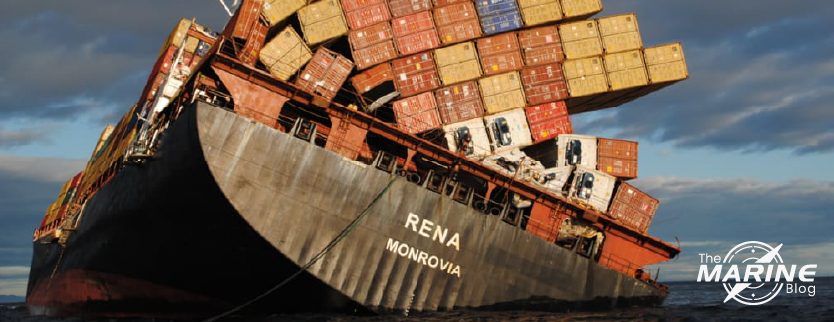
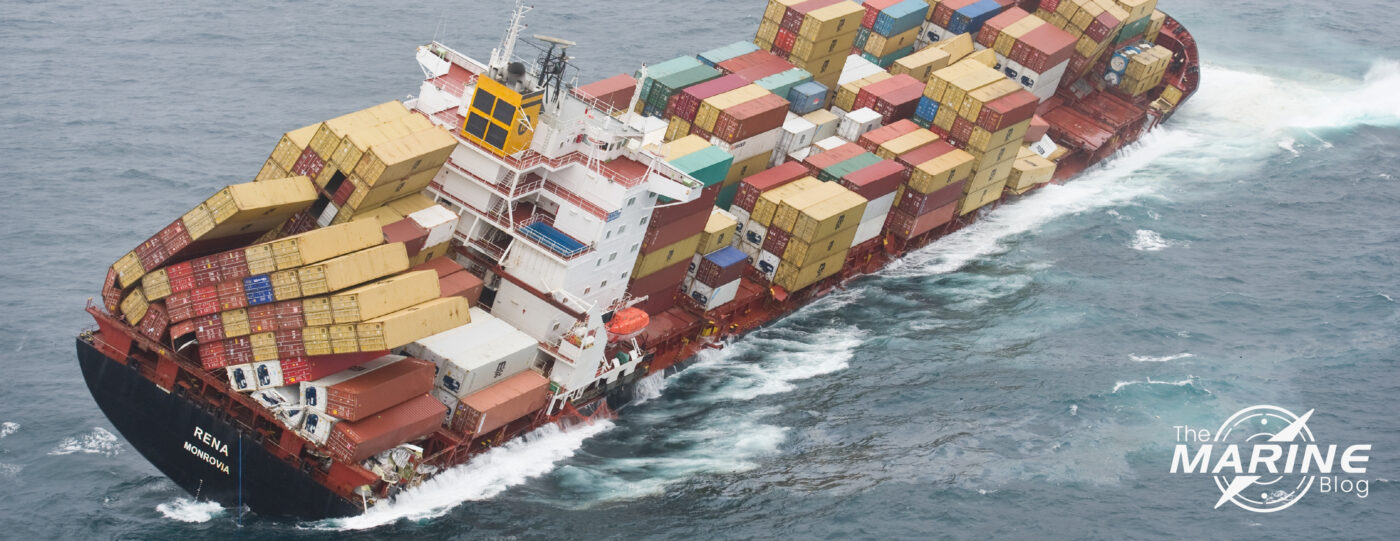
The problem of ships losing containers particularly concerns the unregulated stowage of these units on board, which reach prohibitive heights, especially in the event of strong winds and storms. In such cases, many captains decide to cut the support straps of the containers to let them slide into the sea and stabilize the vessel.
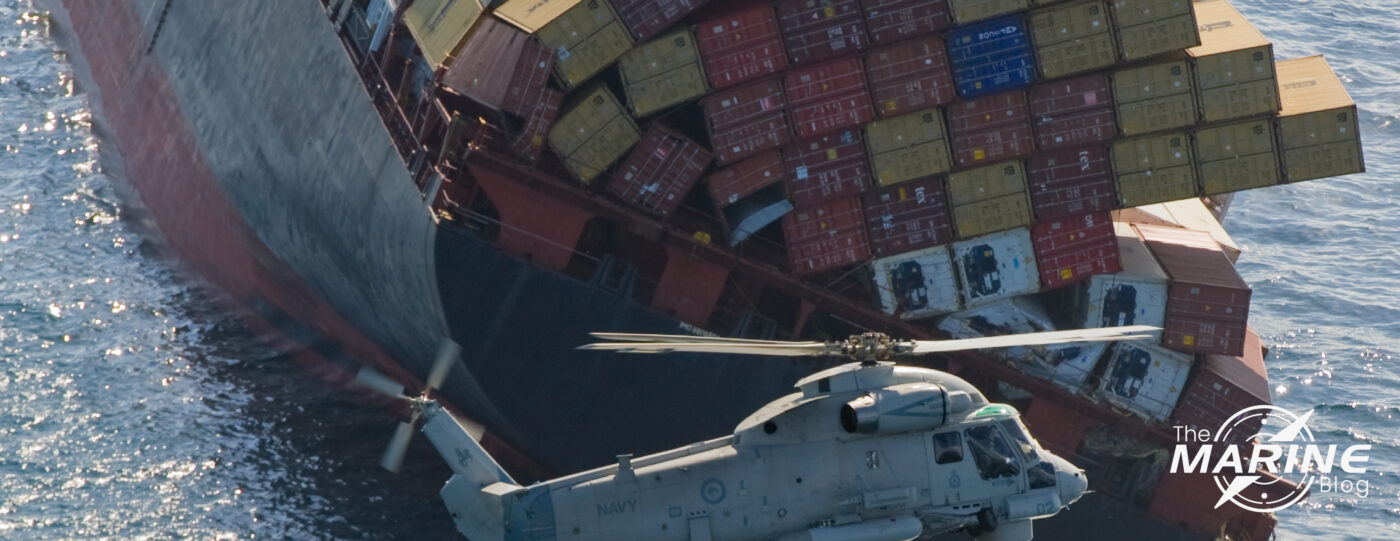
Why drifting containers are a grave danger
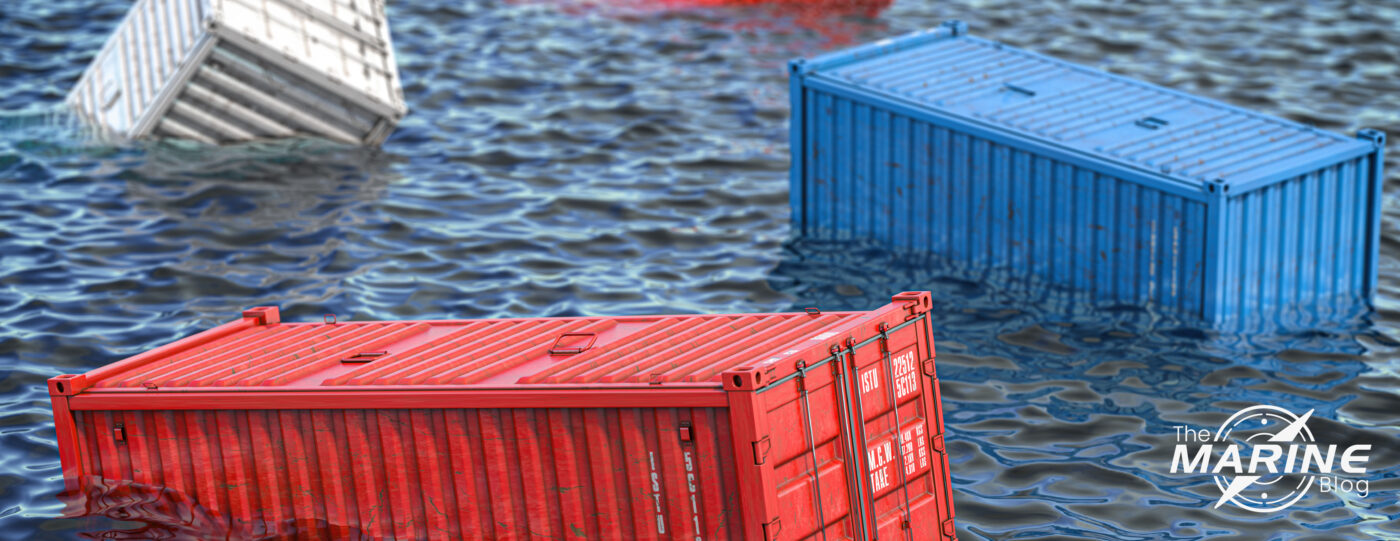
Drifting containers are literal time bombs, considering they are steel structures between 6 and 12 meters long, with a volume of 80 cubic meters and a weight of around 3–4 tons.
Every container is subject to a weight limit, meaning they are never completely filled; there is always some space inside where an air pocket forms. This ensures that these objects, once they fall into the sea, do not sink immediately, posing a grave danger to small ships, fishing vessels, and pleasure boats [EM5]. A container can typically remain afloat from 6 hours up to several weeks, depending on the type of cargo, structural integrity, sealing level, and sea conditions. Furthermore, because containers fall from heights of several dozen meters, they often burst open, spilling contents of all kinds into the sea, including toxic substances.
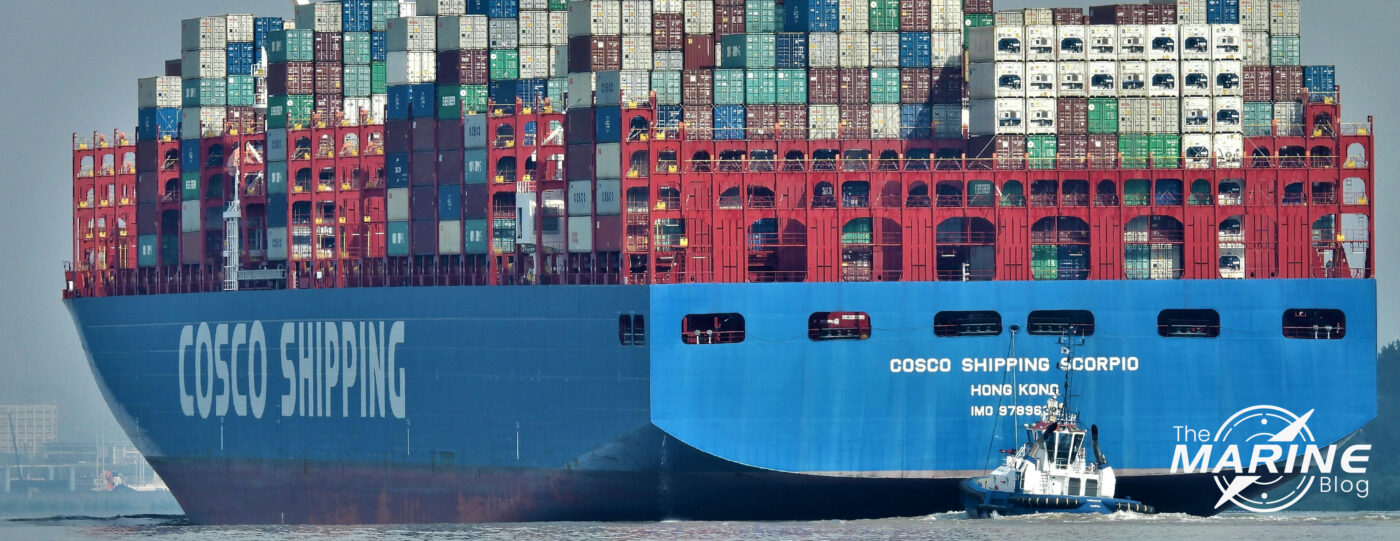
What changes with the new regulation: a fundamental step forward
The new international regulation in force since 2026 represents a fundamental step forward for maritime safety. It mandates that every ship carrying containers, or sighting one adrift, must promptly report the event to the competent authorities, nearby ships, and the flag State.
The report must contain crucial information such as:
- The identity of the ship
- Position, date, and time of the loss or sighting
- Number of containers involved and their dimensions
- Type of cargo and the potential presence of dangerous goods
It is important to emphasize that the initial report might not contain all necessary information, necessitating follow-up communications. Furthermore, if a ship has suffered a loss of containers, a thorough inspection is required as soon as conditions permit to ascertain the details of the event. Should a ship be abandoned due to a shipwreck, the shipping company must take over the reporting obligations.
Notably, those who fail to comply with the new rules will face operational blocks along maritime routes, as well as pecuniary and administrative sanctions.
Prevention is better than cure: measures to avoid accidents
Beyond mandatory reporting, it is essential to adopt preventive measures to reduce the risk of losing containers. These include:
- Improved stowage techniques
- Stricter controls on container weight
- Use of more effective securing systems
- Greater awareness among crews
For mariners, to avoid potential collisions, it is necessary to rely on electronic route-control devices such as AIS and radar, as well as establishing watch shifts in unfamiliar waters and maintaining continuous vigilance. Advanced systems for protecting boats from collision hazards include so-called “crash boxes” integrated into the hull, such as those used at both the bow and stern of the Stem 50 by the Italian shipyard Stem Marine. This solution is increasingly adopted by boats intended for long crossings and ocean races.
The new regulation represents a positive signal, but it is not a panacea. The fight against the danger of drifting containers requires a constant commitment from all stakeholders: shipowners, insurance companies, maritime authorities, and international organizations. Only through collaboration and information sharing will it be possible to make the seas safer and protect the marine environment from this insidious peril.