Compared to the unchallenged dominance of GRP in the construction materials of pleasure boats and yachts, marine aluminium is once again becoming popular among boat owners, especially those seeking safety, ease of handling and maintenance. Let’s find out why.
When it comes to deciding which pleasure boat to buy, one is really spoilt for choice when it comes to the types of yachts available on the nautical market. In the world of motor yachts, one can opt for a Rib (Rigid Inflatable Boats) with aggressive lines or a classic open, and even a sophisticated cruiser, cabin cruiser or a sporty fisherman, right up to the luxury maxi yacht.
But the same versatility is also offered by the varied panorama of sailing yachts. Here, too, the possible solutions are diverse, depending on the preferred sailing styles: from classic cruisers to sporty or ‘fast cruiser’ boats, from ‘blue water’ style cabin cruisers to monotypes, right up to full-comfort or super-performance multihulls.
Construction materials: Fibreglass, queen of the market.
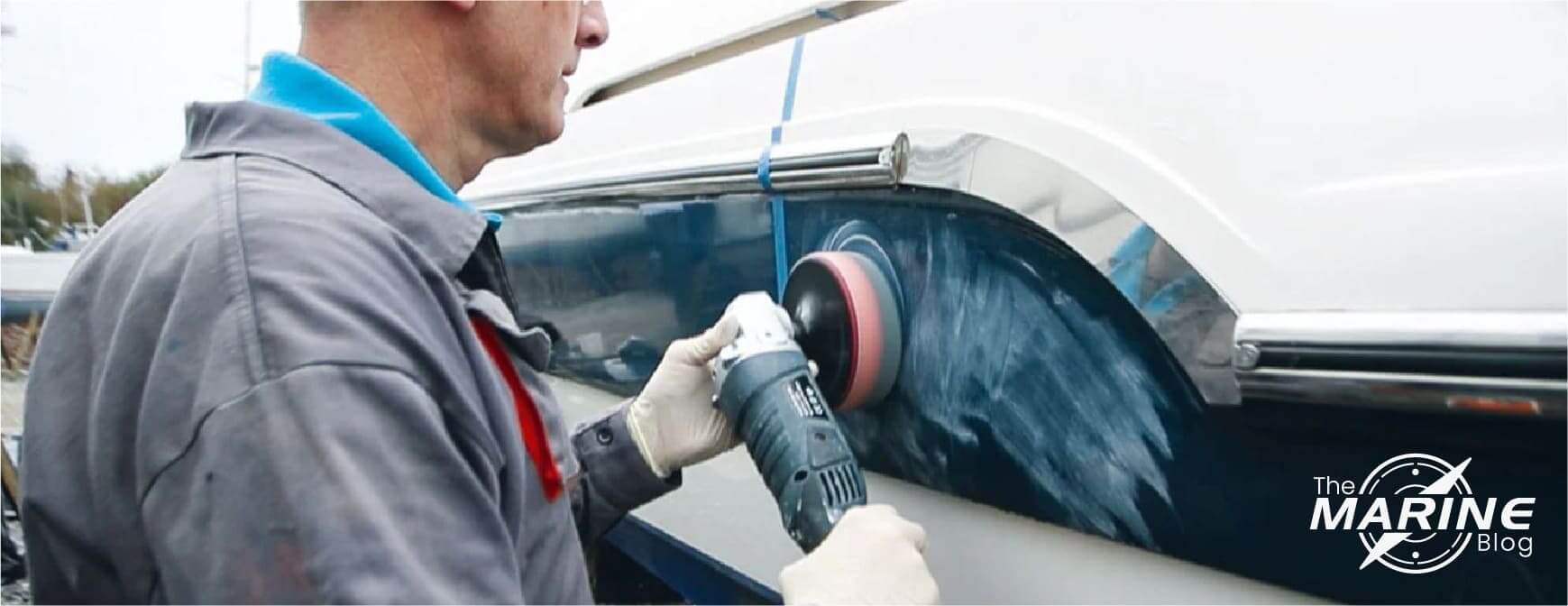
As far as materials are concerned, the choice of materials for a pleasure boat is extremely limited. Apart from the romantic option of wood, reserved for vintage yachts and traditional hulls. As well as modern carbon, the exclusive legacy of racing boats, there are two main worlds to choose from: GRP (glass-reinforced plastic) and aluminium. In terms of numbers, fibreglass dominates the market. In addition to facilitating mass production, the plastic material offers great versatility, excellent performance and practically unlimited aesthetic solutions in terms of design, colours and finishes. Moreover, and this is no small thing, it has medium/low initial costs.
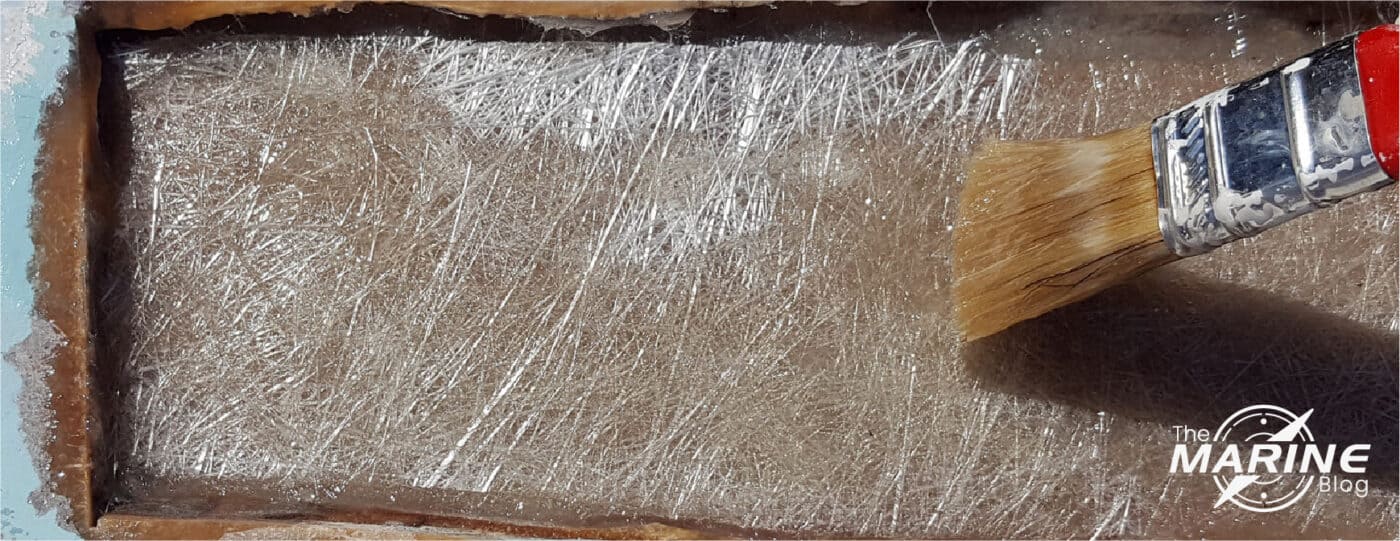
Ever since it invaded the nautical market, however, fibreglass also has some critical factors. Starting with osmosis, the formation of bubbles that can affect both the aesthetics and the integrity of the hull, a problem that arises if the construction is not done in a workmanlike manner. Then – the safety issue, as fibreglass can delaminate and break in the event of collisions with rocks, shallow water, drifting objects and other units. Last but not least, there are the environmental issues inherent in the high toxicity of all types of marine resin, the polluting risks of processing, and finally the problems of end-of-life disposal.

Construction materials: the advantages of aluminium boats
The great alternative to fibreglass is aluminium, that has also been used in Stem 50. In the face of new composite materials, carbon above all, and the ‘green’ horizon of new natural fibres, such as linen, basalt, bamboo, to the neophyte yachtsman’s eye, aluminium might seem a ‘vintage’ and outdated material. This is not the case at all. On the contrary, the yards historically dedicated to this metal, for example Allures, Garcia Yachting and Alubat, continue to have a loyal audience of boaters. The numbers keep on growing. Suffice it to say that alongside traditional monohull cabin cruisers, aluminium construction has also extended to cruising catamarans in recent years.
So let’s take a look at the reasons for this curious renaissance in the nautical sphere of aluminium. And, above all, what advantages this metal brings in navigation, in the daily use of the boat, in general management and routine maintenance.
To read more about aluminum boat design changes over time, visit our article Aluminium sailing boats: how have they changed in design?

Low weight, high performances and minimal consumption
One of the greatest advantages of one of the construction materials – aluminium, is its low weight. Compared to the same volume of GRP, aluminium is in fact 30-40 percent lighter. Why is this characteristic so appreciated by sea-goers? A lightweight boat offers higher performance and lower fuel consumption, which saves money. Not only that, the light weight of a yacht makes all handling, transport and towing operations easier, it also makes it possible to install smaller and lighter engines.
Unparalleled strength and impact resistance of the construction materials
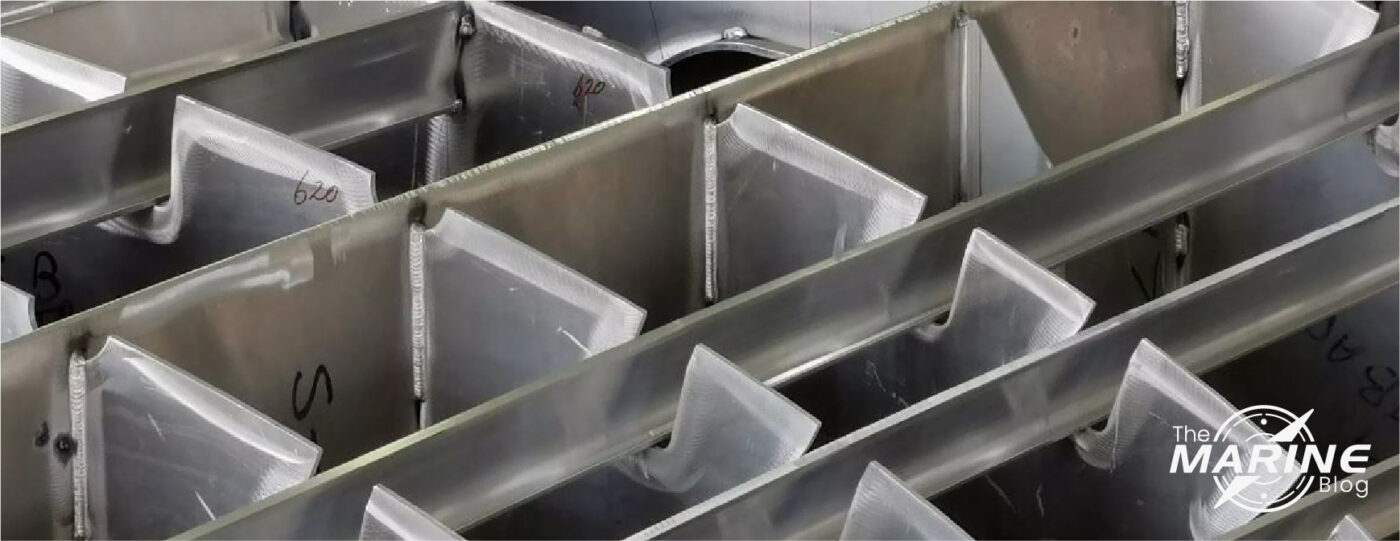
If you care about safety in navigation, there is no other than one of the construction materials that offers a better guarantee than aluminium. In fact, this metal is highly resistant to impact in the event of collisions with rocks, shallow waters, drifting objects and other vessels. This prevents hull damage, leaks and cracks even in the worst conditions. The key to safety, besides solidity, is the ability to absorb kinetic energy and the great flexibility of aluminium. In the event of a collision, it bends at best and, being highly ductile, is also relatively easy to repair.
Longer life cycle and minimal depreciation
If you are looking for a boat that will last you as long as possible, aluminium may be the best material for you. This metal in fact has incredible tensile strength, making it ideal for the overall durability of the yacht. In general, aluminium boats last much longer than fibreglass boats. As we said, it is also resistant to many forms of damage and is relatively easy to maintain.
Moreover, because aluminium is easy to maintain and retains its integrity for longer, it tends to preserve its resale value on the second-hand market better than competing materials. If you plan to resell your boat in the future, aluminium may be the best solution.
More resistant to UV radiation, fire and corrosion
All construction materials can be damaged when exposed to UV rays for a long time. The traditional fibreglass coating, i.e. gelcoat, turns yellow under the sun, can become porous, and even the hull can be damaged by UV rays over time. Aluminium, on the other hand, is particularly resistant and is not afraid of solar radiation.
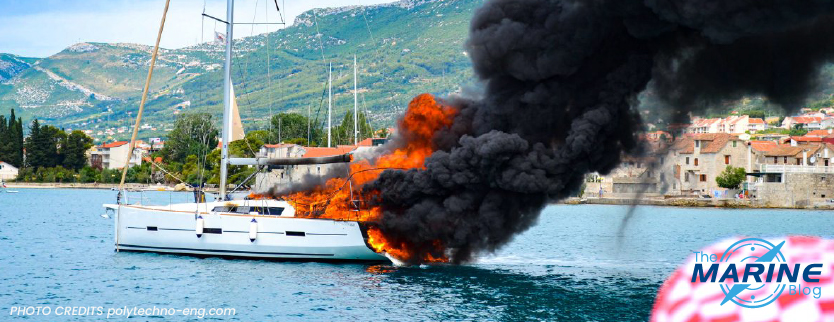
This metal is just as resistant to flames, in the event of a fire on board, as it is to corrosion. A certain amount of galvanic corrosion is indeed unavoidable, but a properly galvanically protected aluminium boat will suffer only superficial corrosion in the course of its life.
Custom options and green attitude
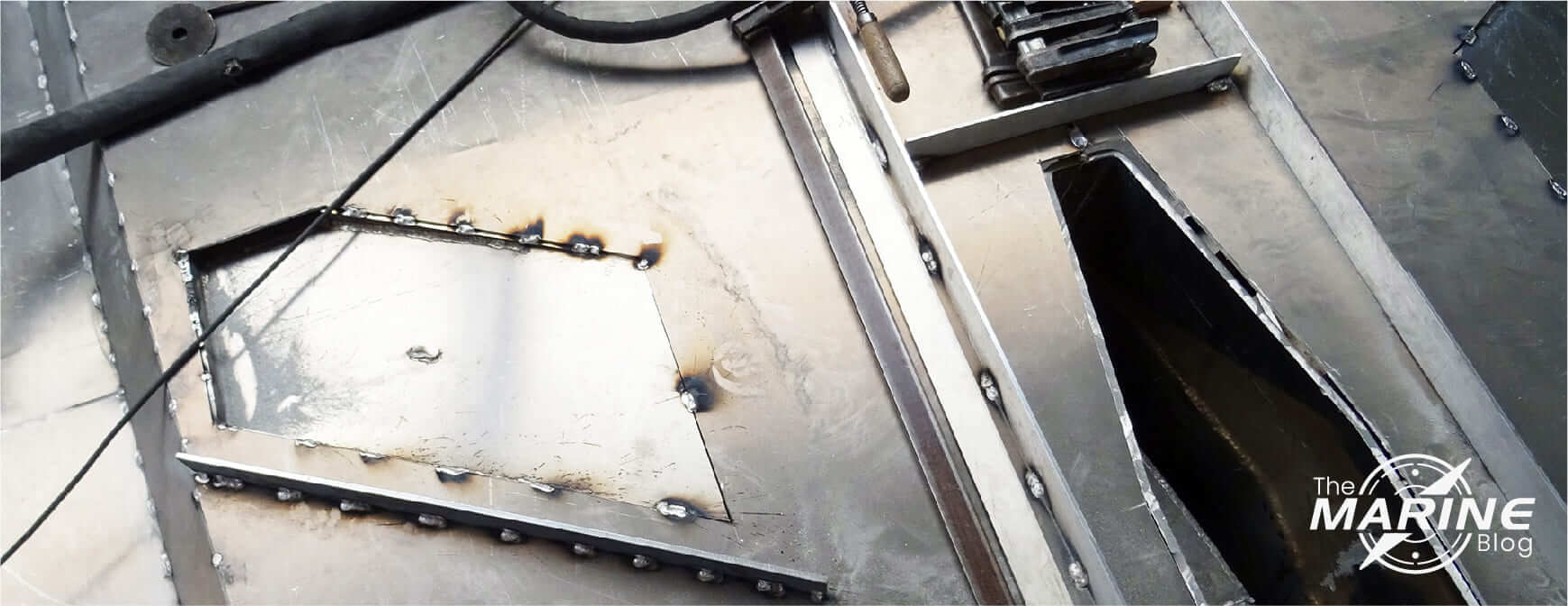
Because aluminium boats are built with many different parts welded together, this metal offers owners considerable customisation possibilities. Offering them both structurally and in terms of ergonomics and aesthetics. It should also not be underestimated that the process of creating an aluminium boat is more environmentally friendly and requires fewer resources than creating a fibreglass boat. This makes aluminium a ‘green’ option right from the start. Finally, aluminium is also easily recyclable, which means that it can find new life when the boat is retired or destroyed.
The cons of aluminium boats
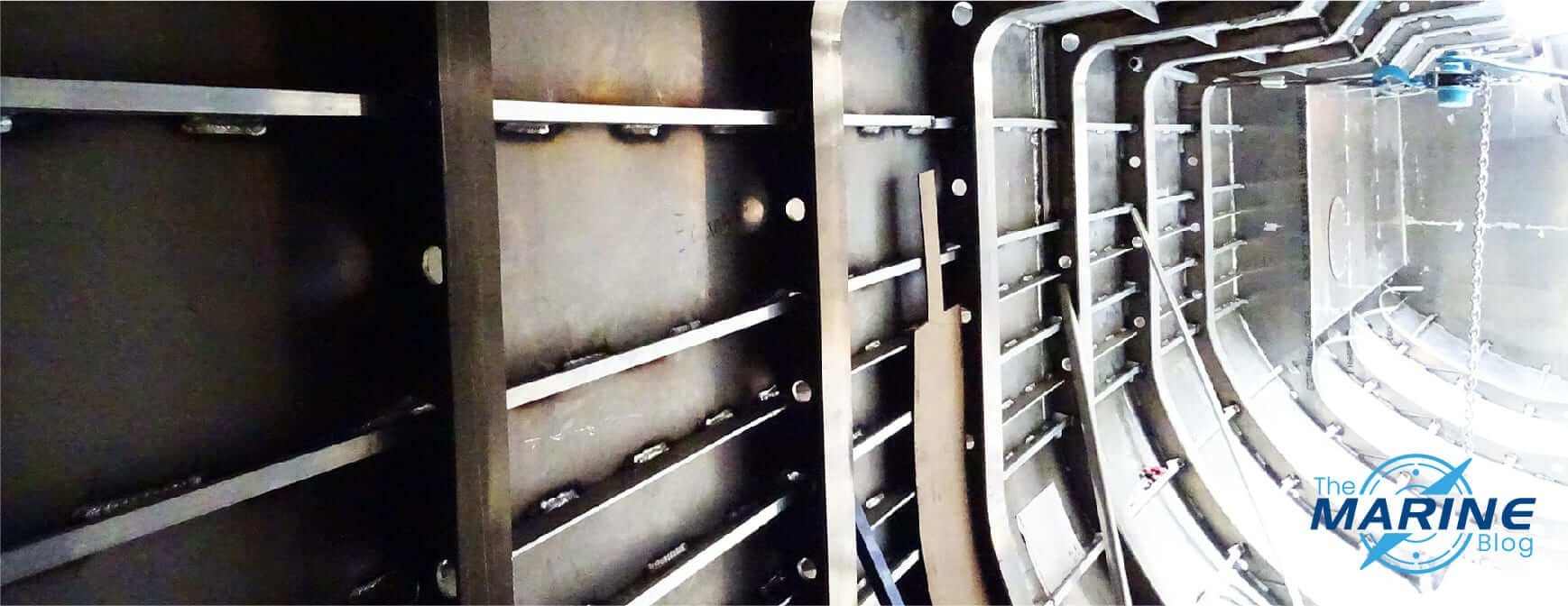
Of course, to be objective, some negative aspects of aluminium boats must also be pointed out, because no material is perfect. Among these is, for example, excessive noise. Aluminium, we said, is very strong, but this property also makes it noisier, especially in rough seas. The sound of metal hitting the water can in fact interfere with your ability to relax on board. Another important factor is the quality of the metal and its workmanship. Marine aluminium is exclusively alloy 5086, a high-quality, corrosion-resistant metal, and the welding and riveting processes require qualified personnel and special care and craftsmanship in the work. This makes aluminium boats in some cases more expensive than other materials.
The advice, if you want to buy an aluminium boat, is to rely exclusively on reputable shipyards that are up-to-date with modern yacht manufacturing and construction techniques. This is a guarantee of quality, not only in the purchase and customisation of fittings and interior spaces, but also in the after-sales service.
Visit our website to get to know more about the STEM Marine boats!