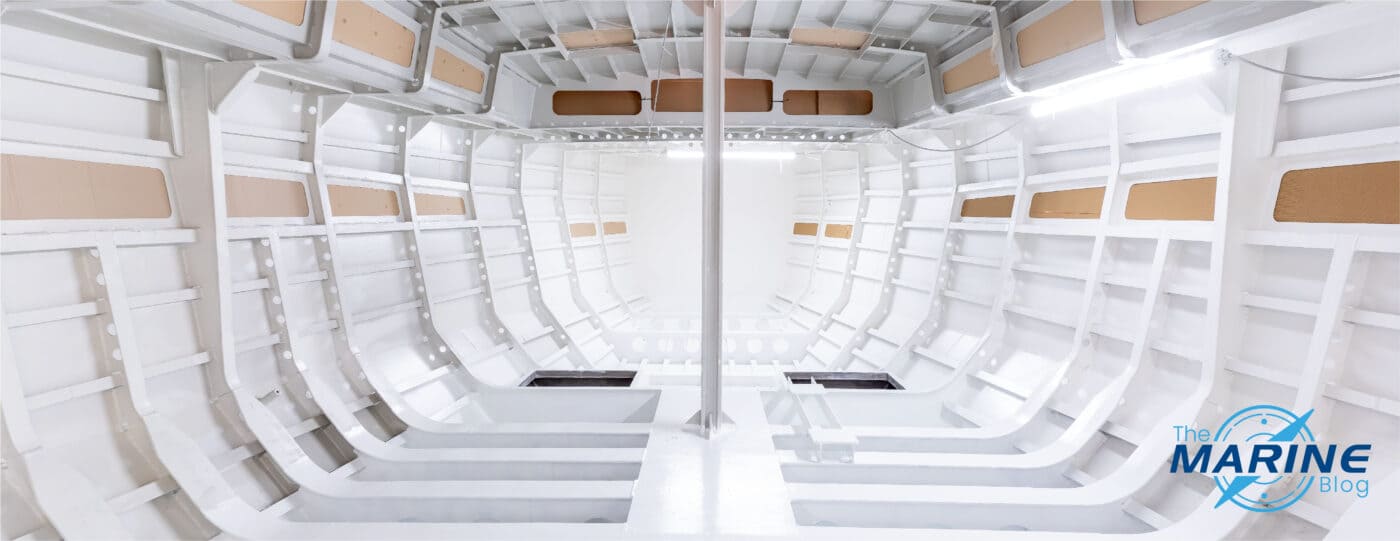
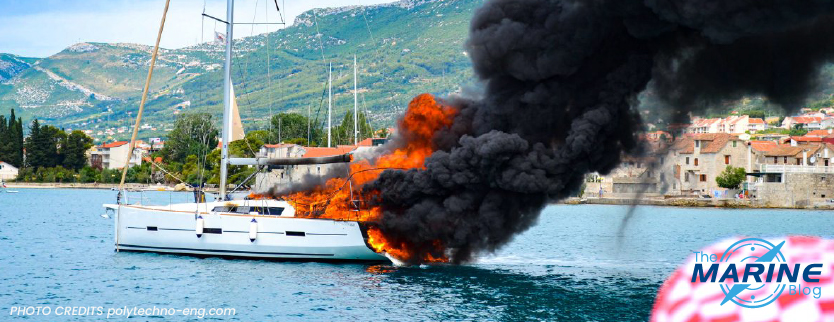
Even today, many of those who engage in long sailings, ocean crossings and round-the-world voyages choose aluminium boats. When and how this trend came about and why this metal is so popular.
While it is true that sailing has always been synonymous with freedom, there are some special boats whose construction, design, technical solutions and inspiring philosophy project sailing into an even more adventurous dimension, linked to long voyages and exploration. We are talking about aluminium cabin cruisers. A material that since its entry into the pleasure boat market, in the mid-1960s, immediately won the trust of a narrow circle of globetrotting sailors. Ready for anything and curious to sail even in remote areas, difficult to access aboard other boats. Its solidity, lightness and reliability for the most extreme sailing voyages can prove more reliable than the traditional materials used in nautical construction, such as fibreglass and wood.
Even today, aluminium boats, thanks to the evolution of technology, modern production processes and cutting-edge solutions in terms of design, ergonomics and navigational support, are still very popular with sailors and are regarded as the ‘4 x 4 of the sea’ with which to make long cruises, ocean crossings and round-the-world voyages. So let’s see in this article how this link between sailing, adventure and aluminium came about and why many modern-day globetrotters climb aboard these boats.

A material that has always been linked to travel and adventure
It is from the 1960s onwards that the culture of sailing around the world spread. Not for commercial, military or strategic reasons, but precisely as a pleasure trip. As a lifestyle choice and the ultimate expression of the concept of freedom. Inspired by some great pioneers, such as Joshua Slocum and Bernard Moitessier, true wanderers of the oceans. They were the first to make these long voyages, many ordinary sailors began to replicate these exploits. Those
were the years of the counterculture, of protest, of non-conformism, and travelling the length and breadth of the oceans for many became a way to fully experience these personal and social ferments.
This same period saw the birth of regattas dedicated to this new philosophy, such as the Golden Globe Race. A round-the-world sailing race organised for the first time in 1968 by the British newspaper The Sunday Times. It was considered the ‘father’ of all solo and non-stop transoceanic sailing competitions.

Mythical boats that inspired generations of sailors
To safely complete these long voyages into the unknown, a very reliable boat was needed. In addition to wood, which was used for Slocum’s ‘Spray’, and the steel with which Moitessier’s legendary ketch ‘Joshua’ was built, it was at this time that another type of metal. Extraordinarily innovative at the time, took hold in the construction of these cabin cruisers:
marine aluminium.
One of the shipyards that contributed most to the spread of aluminium in nautical terms was the French Meta Yachts, founded in 1967 by Jean Fricaud and his son Joseph. From the ingenious minds and skilful hands of these two craftsmen came some boats that have become iconic for ocean navigation. For example, the legendary ‘Damien’ on board which navigators Jérôme Poncet and Gérard Janichon completed several round-the-world voyages. Or the famous ‘Northern Light’ with which the sailing couple Rolf Bjelke and Deborah Shapiro sailed from the Arctic to Antarctica via North America, Brazil, Argentina and South Africa.

Many specialised boatyards now
Extraordinary voyages, recounted in impressive books. Aluminium as a nautical construction material became increasingly popular in the following decades. Both on cruising and racing hulls, including multihulls. Everyone remembers the famous Seamaster. The 36-metre schooner aboard, which Sir Peter Blake, one of the strongest sailors of all time, sailed extensively in the Australian seas in the 1990s. In addition to Meta Yachts, other specialised shipyards have appeared over time as Allures Yachting, Alubat, Boreal and Garcia Yachts, also in France. But also Hutting Yachts and KM Yachtbuilders in Holland and similar yards in Germany, England and the United States. In Italy, Stem Marine has recently been making inroads. After a long tradition on emergency and rescue motorboats, it has just inaugurated a new range of innovative aluminium sailing cabin cruisers. The target is those sailors who love adventure, long voyages to the ends of the earth, ocean crossings, world tours.
Unbeatable safety, robustness and green vocation
Even today, many of those who devote themselves to a more extreme dimension of offshore sailing choose an aluminium boat. One name above all? Jimmy Cornell, journalist, navigator, inventor of the famous ARC (Atlantic Rally for Cruisers) and one of the most famous ‘long range’ sailors. As the ultimate boat for his round-the-world sailings Cornell has chosen a Garcia Exploration 52, a modern aluminium cabin cruiser capable of braving ice as well as equatorial heat.
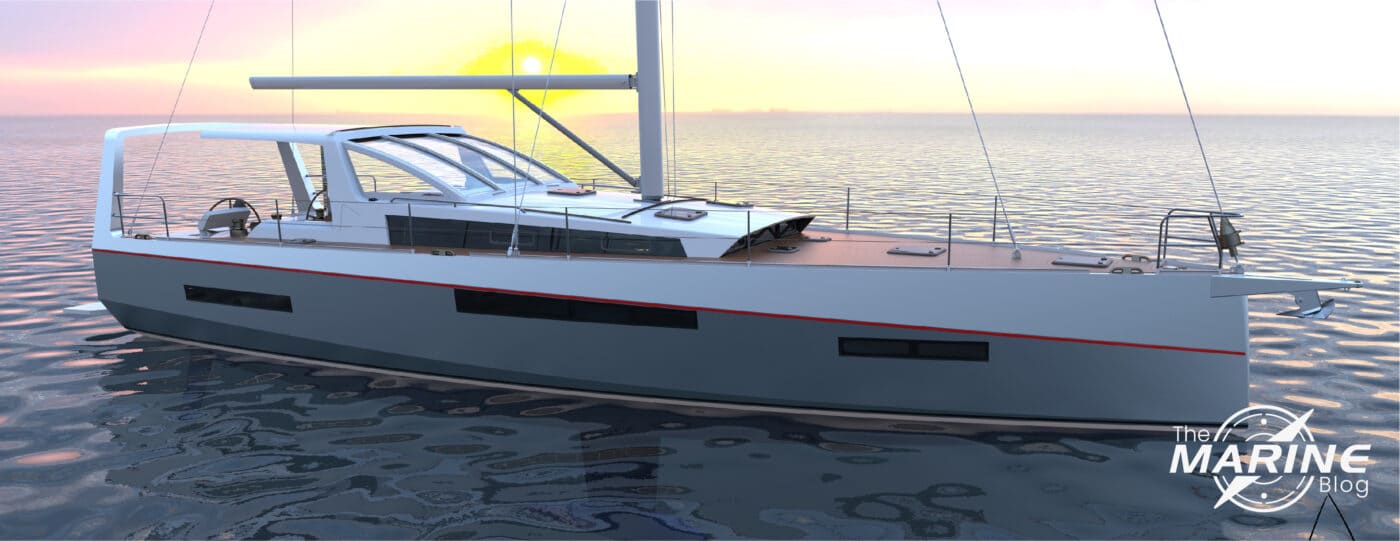
The key word for those like him is indeed safe navigation, and on this front aluminium has few rivals. In fact, aluminium cabin cruisers are prized for their strength, durability and robustness. They are light and easy to manoeuvre, but above all they are able to withstand shocks, even violent ones, such as collisions with rocks, drifting debris or other vessels. It was precisely on this strong link between aluminium and safety applied to sailing that the Italian company Stem Marine recently designed its Stem 50. A modern cabin cruiser for long cruises characterised by easy handling and safe navigation.
In addition, aluminium boats do not deteriorate from exposure to the sun, require minimal maintenance and are relatively easy to repair. Lastly, there is the environmental issue, dear to everyone’s heart but even more so to yachtsmen who sail the world for real and know what a critical problem it is today. A well-built aluminium boat is practically eternal if properly maintained. This makes it extremely sustainable, not to mention the fact that an aluminium boat can easily be recycled at the end of its life to become something else useful and non-polluting.